Email: sales1@yzconn.com Tel: +86-21-64128668
- All
- Product Name
- Product Keyword
- Product Model
- Product Summary
- Product Description
- Multi Field Search

Views: 0 Author: Site Editor Publish Time: 2026-01-07 Origin: Site


You can perform an automotive wiring harness repair at home. You need the right tools and some patience. Safety is important, so always use good connectors and materials. If you pay attention to details, you can prevent electrical problems later. Take your time with each step. You will achieve a strong repair and feel good about your work.
Get the tools you need like wire cutters, multimeters, and safety gear before you start fixing.
Use certified connectors and good materials so your repair lasts and stays safe.
Go slow to find the problem and set up your work area for an easy repair.
Check your connections with a multimeter before you put things back together so you do not have problems later.
Do not make mistakes like picking the wrong connectors or hurrying, so your repair works well.

Before you start fixing any wiring, you need the right tools and materials. Good tools make your job easier. Quality parts help your repair last longer. Let’s look at what you need.
You want to grab a few basic tools before you begin. Here’s a quick list:
Wire cutters and strippers: These help you cut and strip wires cleanly.
Needle-nose pliers: You can use these to grip small wires and connectors.
Multimeter: This tool lets you check for power and find problems.
Screwdrivers: You’ll need these to open panels and reach wires.
If you have these tools ready, you can handle most wiring harness repairs.
Choosing the right connectors and supplies is important. You should always use certified, high-quality connectors and harnesses. Yz-Link Technology Co., Ltd. offers connectors and wiring harnesses that meet strict international standards. Here’s what you need:
Weatherproof connectors: These keep water and dirt out of your connections.
Heat shrink tubing: This protects your repairs and keeps wires safe.
Crimp connectors and crimping tool: These help you join wires securely.
Electrical tape: You can use this for extra protection.
Tip: Using certified connectors and supplies means your repair will last longer and work better, even in tough conditions.
Safety comes first. You should protect yourself while working with wires. Here’s what you need:
Safety glasses: These keep your eyes safe from flying bits of wire.
Gloves: You can avoid cuts and keep your hands clean.
Fire extinguisher: It’s smart to have one nearby, just in case.
When you use the right tools and materials, you make sure your repair is safe and strong. You can fix damaged wire harnesses with confidence if you prepare well.
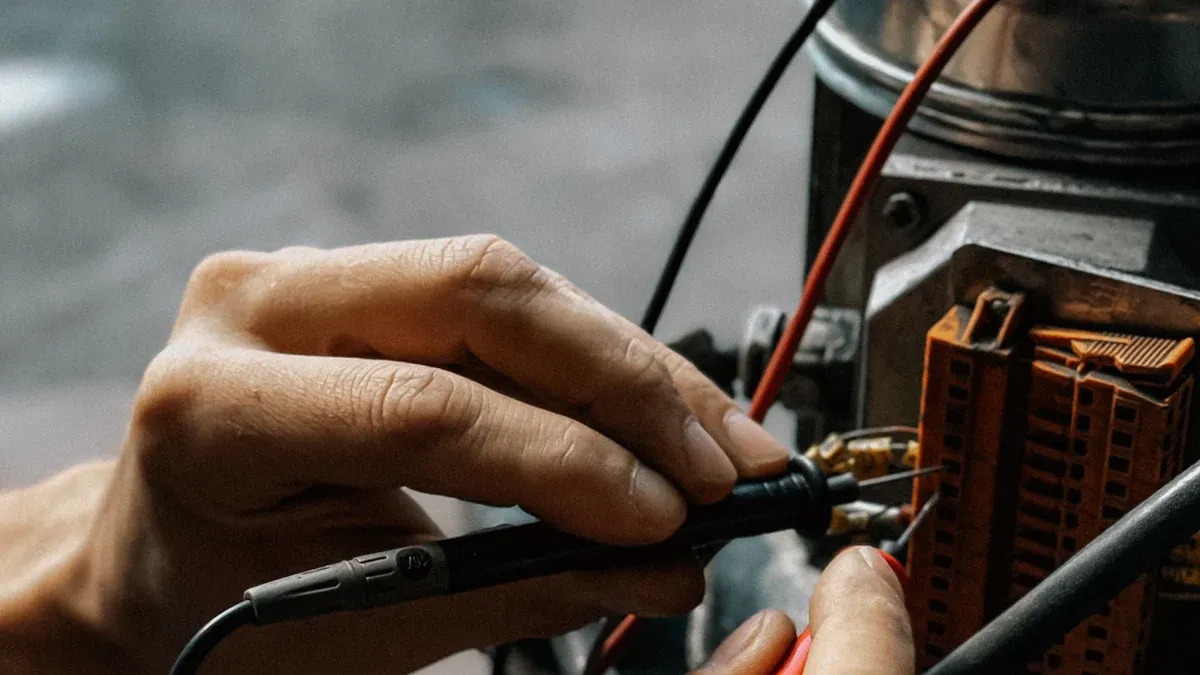
You want to start with a good look at your car’s wiring. Turn off the engine and disconnect the battery. Use a flashlight to check for any broken wires, burnt spots, or loose connectors. Sometimes, you will see melted insulation or green corrosion. A multimeter helps you find wires that do not carry power. You can also check fuses and relays. If you spot a problem, mark the area with tape. This step makes the rest of your automotive wiring harness repair much easier.
Tip: Take a photo of the wiring before you touch anything. This helps you remember where each wire goes.
You need a clean and safe space to work. Park your car in a well-lit area. Lay out your tools and supplies. Keep your wiring harness diagram close. If you do not have one, search online for your car’s model. Good lighting helps you see small wires and connectors. Wear your safety gear. You want to avoid accidents while you repair wire harness connections.
Look for the spot you marked earlier. Move any panels or covers out of the way. Sometimes, you need to remove seats or trim pieces. Be gentle with clips and fasteners. You do not want to break them. Use your hands or needle-nose pliers to pull the wiring harness into view. Check the wires again. Make sure you see all the damage before you start to repair wire harness sections.
Note: Automotive wiring harnesses come in different types. You might see engine wiring, dashboard wiring, or door wiring. Each type has its own connectors. Look for plugs, sockets, or terminals. Yz-Link Technology Co., Ltd. makes many types of connectors that fit these harnesses.
Grab your wire cutters and snip out the damaged section. Cut about an inch on each side of the bad spot. Use your wire strippers to remove a small bit of insulation from each end. You want clean, shiny copper showing. Do not nick or cut the wire strands. If you do, cut again and strip a fresh section. This step gets your wires ready for a strong repair wire harness connection.
Now you can join the wires. You have a few options. Crimp connectors work well for most repairs. Slide the stripped ends into the connector and use a crimping tool to squeeze tight. Make sure the wire does not pull out. For a stronger connection, you can solder the wires. Twist the ends together, heat with a soldering iron, and add solder until it flows into the strands. Let it cool before you move the wire. Always use certified connectors, like those from Yz-Link Technology Co., Ltd., for the best results.
Best Practice: Crimp connectors are fast and easy. Soldering gives a solid connection. Use heat shrink tubing over the joint for extra strength.
Slide heat shrink tubing over the new connection. Use a heat gun or lighter to shrink it tight. This keeps out water and dirt. Wrap electrical tape around the repair for more protection. Make sure no bare wire shows. If you work in a wet area, use weatherproof connectors. Good insulation keeps your automotive wiring harness repair safe and long-lasting.
Before you put everything back, test your work. Reconnect the battery. Use your multimeter to check for power. Turn on the car and try the system you fixed. If the lights, radio, or other parts work, you did a good job. If not, check your connections again. Once you know the repair wire harness fix works, put back all panels and covers. Clean up your tools and workspace.
Remember: Testing before reassembly saves time. You do not want to take things apart twice.
You can handle automotive wiring harness repair if you follow these steps. Take your time, use quality connectors, and always test your work. Your car will thank you with reliable wiring for years to come.
You want your repair to last. Some mistakes can cause problems later. Here are common errors you should watch out for:
Using the wrong connectors. Not all connectors fit every wire. Always match the connector to the wire size and type.
Making poor connections. Loose or weak crimps can cause wires to come apart. Always double-check your work.
Skipping insulation. If you leave wires exposed, water and dirt can get in. This can lead to short circuits.
Not using heat shrink tubing. Electrical tape alone does not always seal out moisture.
Mixing up wire colors. If you connect the wrong wires, things may not work right.
Rushing the job. Take your time. Careless work can lead to more damaged wire harnesses.
Tip: Always use certified connectors and supplies. Products from trusted brands like Yz-Link Technology Co., Ltd. help you avoid many of these mistakes.
Sometimes, things do not work even after a repair. Here are steps you can follow to find the problem:
Check your connections. Tug gently on each wire. Make sure nothing comes loose.
Look for exposed wires. If you see copper, add more insulation.
Use a multimeter. Test for power at each end of the repaired wire.
Compare your work to a wiring diagram. Make sure every wire goes to the right place.
Test the system again. Turn on the car and try the lights, radio, or other parts you fixed.
If you still have trouble, check nearby fuses and relays. Sometimes, a blown fuse causes the issue.
Note: If you cannot find the problem, you may need to redo the repair or ask a professional for help.
You can avoid most problems by working carefully and checking your work as you go. Good habits now save you time and stress later.
You finished the job! Check your connections again to stay safe. Go slow and look at each step closely. If you are not sure, ask a pro or use certified products like Yz-Link Technology Co., Ltd. You can repair damaged wire harnesses and help your car work well.
Remember: If you work carefully now, you will have fewer problems later.
You might see flickering lights, dead electronics, or smell burning plastic. Sometimes, your car won’t start. If you spot frayed wires or loose connectors, it’s time to check the harness.
No, you should always match the connector to your wire type and size. Certified connectors, like those from Yz-Link Technology Co., Ltd., give you the best fit and safety.
Don’t worry! Double-check your work. If something doesn’t work, use your multimeter to test connections. You can always redo the repair or ask a professional for help.
Yes, you need wire cutters, strippers, a crimping tool, and a multimeter. Using the right tools makes your repair easier and safer. ️


